Tag Archives: writing

From Poo to Mu: How I Became a Dogshit Bodhisattva

We’re lucky. Here in Taiwan, we live in a mountain neighborhood with hiking trails just minutes from our door. Every morning, as the designated family dog walker, I’m charged with taking our dog (or dogs, over the years) for a stroll along those scenic trails.

As a good neighbor and responsible pet owner, I carry at least one poop bag with me in case nature calls before we reach the mountains. Once we’re on the trails, all bets are off, but if my dog leaves a calling card in the middle of the path, I grab a stick and push it into the heavy brush.

But not all my neighbors are so considerate. On the way to the trails, I nearly always encounter a large pile of dogshit, often deposited right in the middle of the road. I have never witnessed its creation, but several neighbors have clued me in to the likely culprit. There’s a guy with an aging dog that looks like a husky. He allows the dog to wander off leash while he follows on a bicycle. According to my neighbors, they have seen him let his dog shit in the middle of the road and then ride away without cleaning it up.

I was tempted to confront him, but without catching them in the act, it never felt justified. Instead, I silently huffed and fussed over the near-daily desecration of our neighborhood streets. Sometimes I would pass the pair heading in the opposite direction, only to encounter the evidence a few minutes later. Cars would run over the offending pile, flatten it and leave a trail of smaller, flattened piles down the road.

“How can this continue? Where is the justice in this world?” I would ask myself.

Convinced that my anger was righteous, I swore that someday I would confront the two- and four-legged culprits and bring them to justice if only I could catch them in the act.

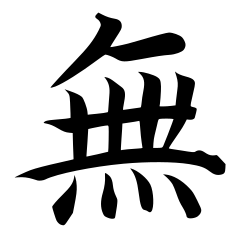
Funnily enough, my recent meditation practice has focused on the Zen koan known as Mu. A central teaching of Mahayana Buddhism is that all beings possess Buddha-nature. Yet when a monk asked Jōshū, a great Chinese Zen master, “Does a dog have Buddha-nature?” Jōshū replied, “Mu.”

Mu can be translated as “no,” “not” or “without.” But how could the answer be no? If all beings possess Buddha-nature, how could the dog in the monk’s question be excluded?

Zen practitioners are encouraged to sit with this puzzling koan until its truth is realized directly. Koans are not riddles that can be solved through ordinary logic. They are intended to short-circuit the discriminating mind that declares this is this and that is that; the mind of schedules and tasks, judgments and regrets, memories of the past and plans for the future. Mu is often the first koan assigned to a student.

I’ve been meditating on Mu for a few months now. I’m not claiming to have solved it—if “solving” is even the right word—but my reading and practice have led me toward questions about the boundaries we create: between yes and no, self and other, and ourselves and the rest of the universe.

That doesn’t mean there is no ethical difference between cleaning up after your dog and leaving its shit in the road. Nor does it absolve the dog’s owner of responsibility. But it does challenge the comfortable division between me, the righteous and responsible pet owner, and him, the inconsiderate shit-leaver.

We are not as separate as I would like to believe. Taken to its furthest conclusion, I am the dogshit, and the dogshit is me.

That realization doesn’t make the piles disappear, but it changes what I do about them.

I began to see each pile of dogshit as an opportunity to practice the bodhisattva way. A bodhisattva is often defined as a being who acts with wisdom and compassion to help free others from suffering. Rather than pursue the personal satisfaction of bringing the shitters to justice and ending their stinky reign of terror, I could practice generosity, ethical conduct and patience.

In other words, I could stop being angry about other people’s shit, recognize that it was my shit too—and pick it up.

I certainly had the tools. I had bought them at the pet supply store.

So now, when I stumble upon an offending pile, I try to be grateful for the opportunity to practice as a dogshit bodhisattva. And if anyone questions the proof of my status, it’s easy to show them.

It’s in the bag.
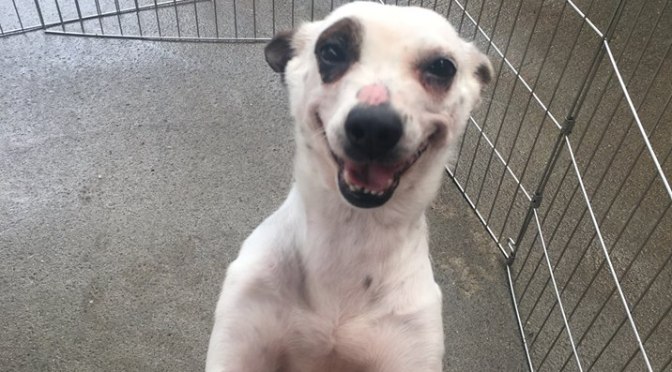
BYE-BYE, MISS BOO: HOW A TINY, MISTREATED DOG TAUGHT ME THE HEALING POWER OF LOVE.

Sydney was a giant pain in the ass. Between her myriad health problems and the unusual behavior caused by her early trauma, the demands of caring for her sometimes seemed astronomical. But above all, Sydney was a survivor.

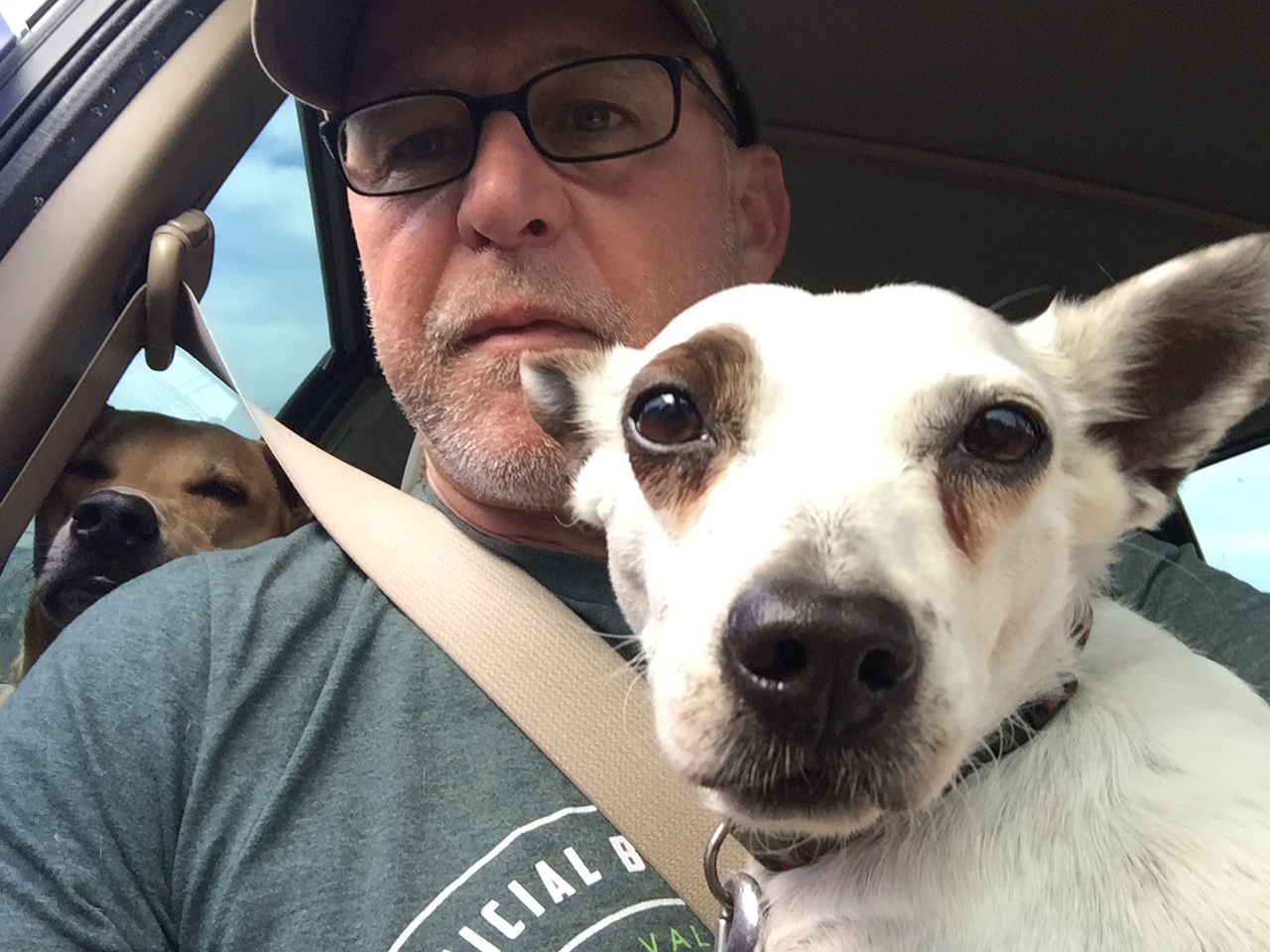
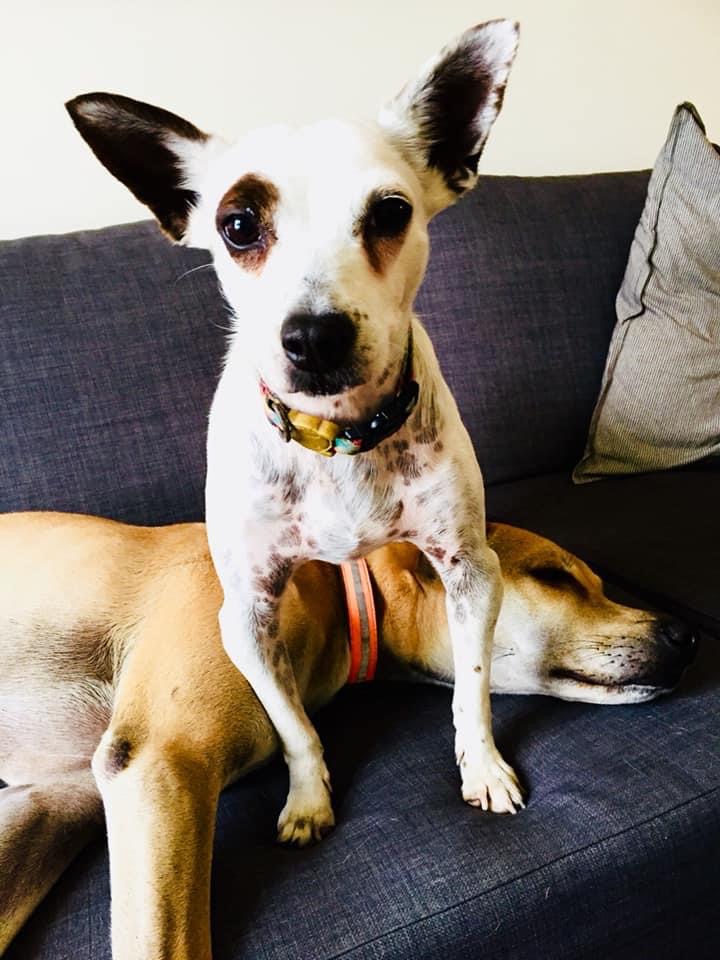
We found out about Sydney through a friend who rescues dogs. The SPCA had contacted her with a photo and description. Sydney was the last dog rescued from that puppy mill who had not yet found a permanent home. Since we had previously cared for two Jack Russells who had recently passed away, our friend thought we might be interested.

When I saw Sydney’s photo, I told my wife, “We have to adopt this dog because she is so ugly, nobody else ever will.”

We named her Sydney because her bulging eyes gave her a distinct resemblance to Sid the sloth from the Ice Age film franchise. I liked to call her “Miss Boo,” a shortened version of “Sydney-Bidney-Boo.”

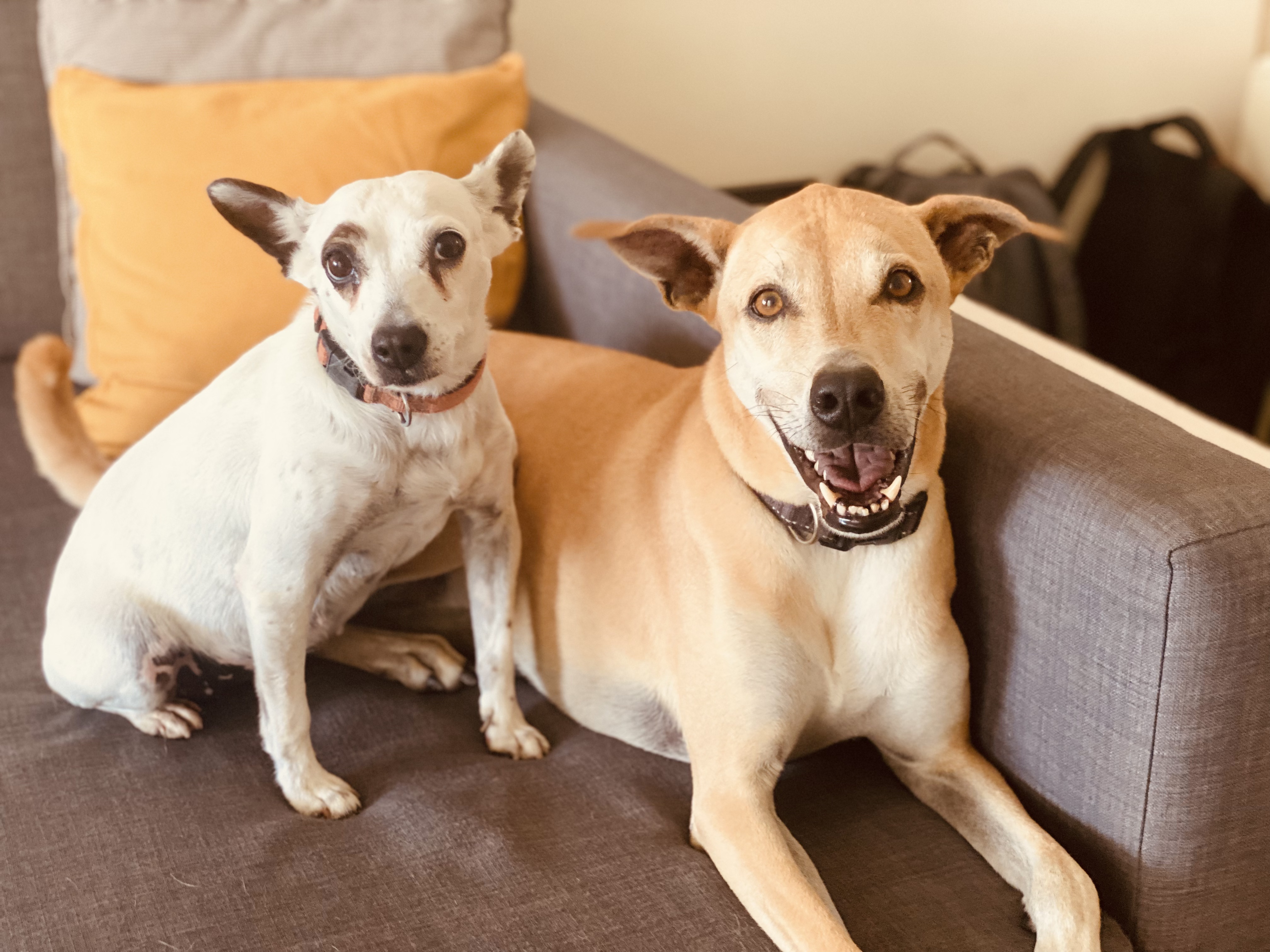
When Sydney joined our happy home with her two doggy brothers, Ronin and Malu, it was obvious that she carried more than her fair share of emotional trauma from her years in the puppy mill. Her paw pads were smooth, and she had no idea how to walk on a leash. After even a short walk, her paws would bleed from chafing against the pavement. Doorways and stairs frightened her because she clearly had no experience navigating them. The only time she seemed comfortable was when she was curled up in a small space, such as her dog bed in the corner of my home office.

I worked from home at the time, doing marketing and cold-call sales, and decided she should sit on my lap during the day. Whenever I placed her there, she would immediately begin to tremble and try to jump off. So I held her with one hand while dialing the phone with the other. It took many hours before she stopped trembling and trying to escape at the first opportunity. Eventually, she grew accustomed to human contact—at least enough to tolerate me.

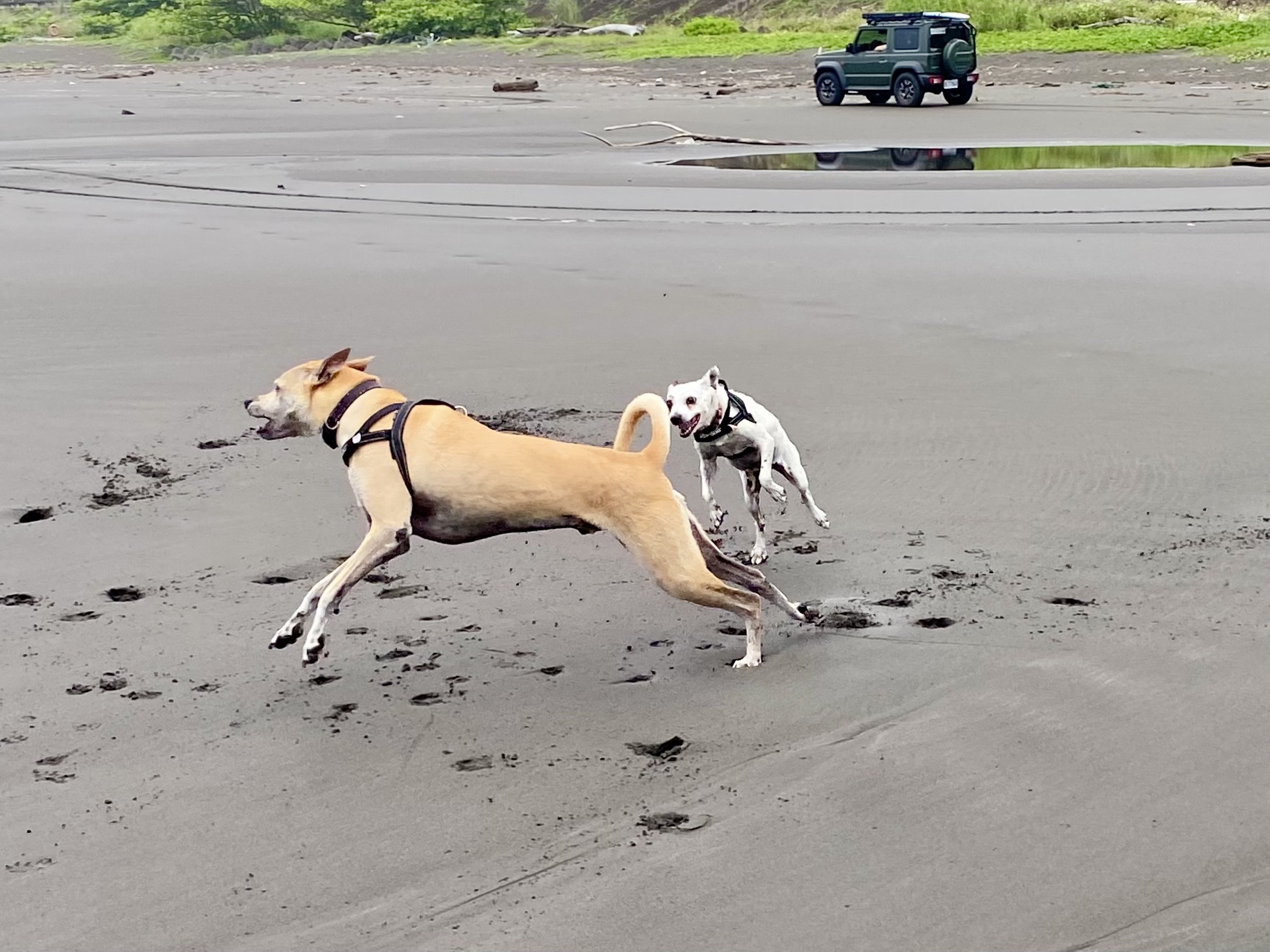
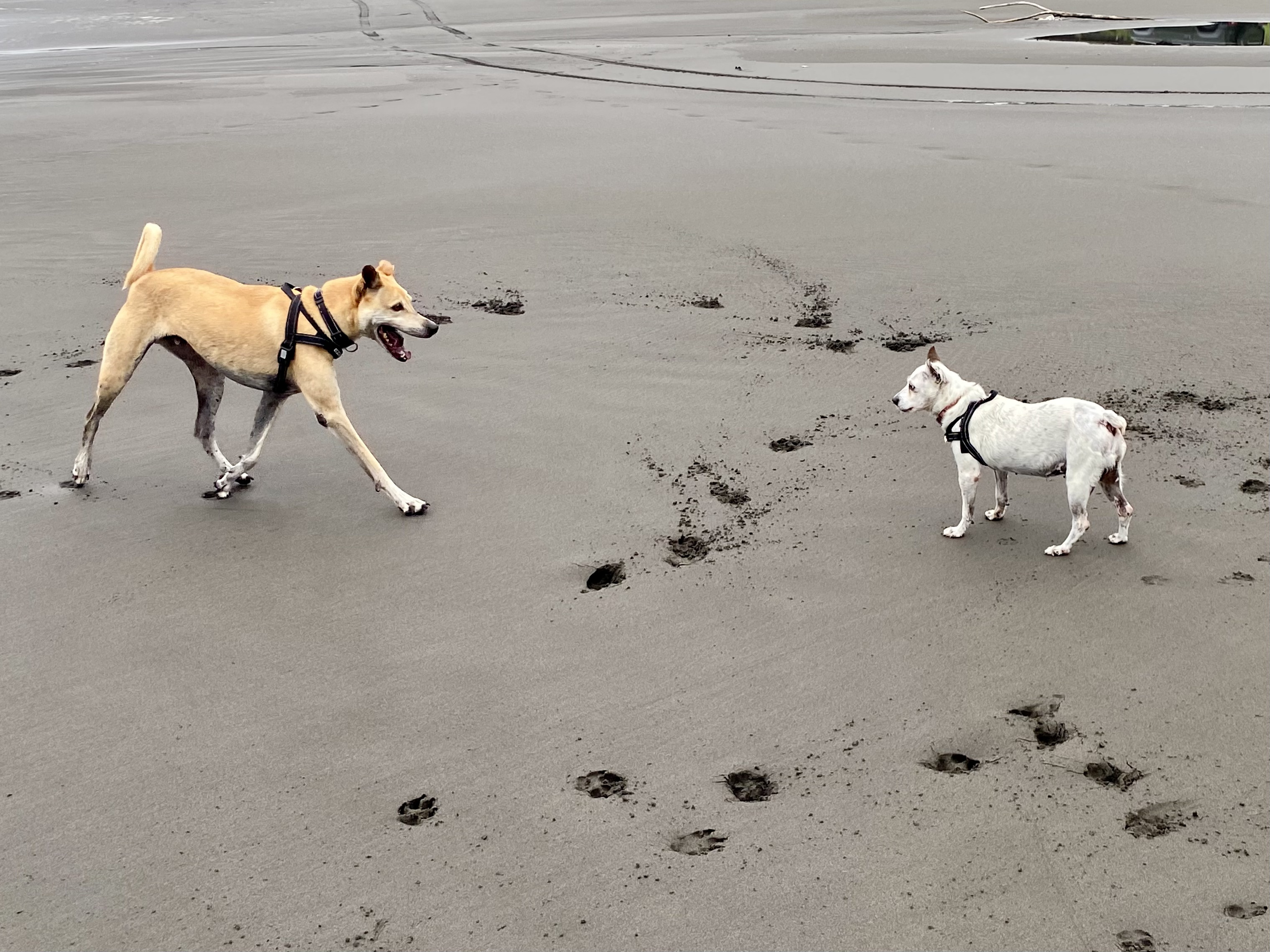
It took roughly four years for her even to begin acting like a normal dog. During that time, she socialized with our other two dogs and was treated to two walks a day on nearby mountain trails. She enjoyed being off-leash and would often “go on walkabout,” darting off the path to wander through the undergrowth. Many evenings, as the sun began to set, I found myself desperately calling her name while crashing through the jungle, hoping she would turn up before dark. I always found her. Eventually, she stopped running off and stayed with her two brothers in the pack.

Sydney really came alive whenever we visited our apartment on Taiwan’s coast. She loved the beach and playing in the waves. Her habit was to stroll into the water until it reached her chest, then sit there biting at the tiny whitecaps as they approached her.

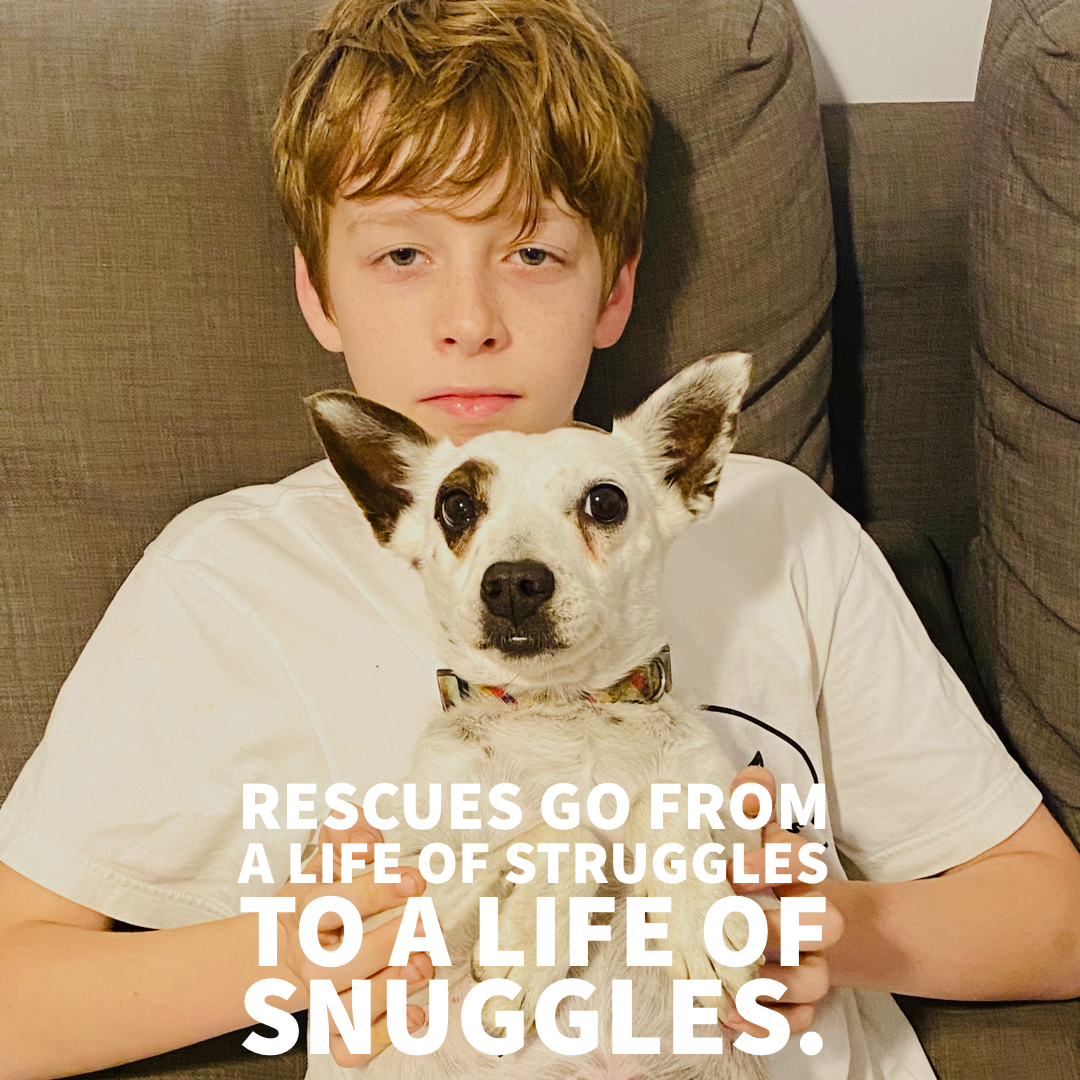
Once she had grown comfortable with human contact, Sydney received an endless supply of cuddles, kisses, and hugs, all of which she enjoyed immensely and learned to return in spades. Her heart hadn’t been broken; her love battery had simply needed recharging. She had gone from a life of struggles to a life of snuggles.

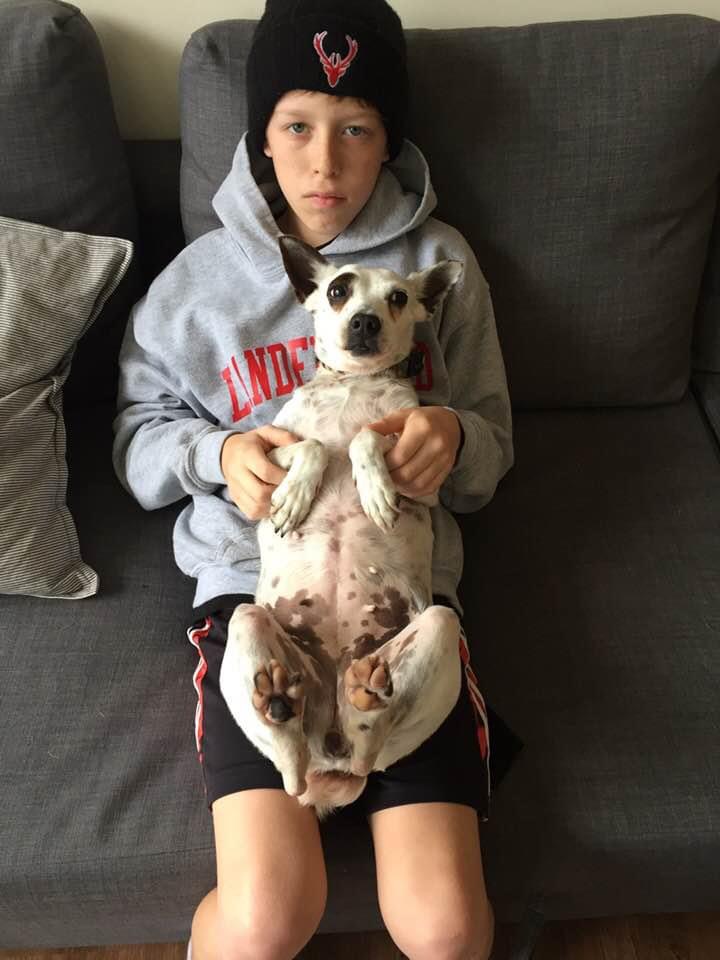
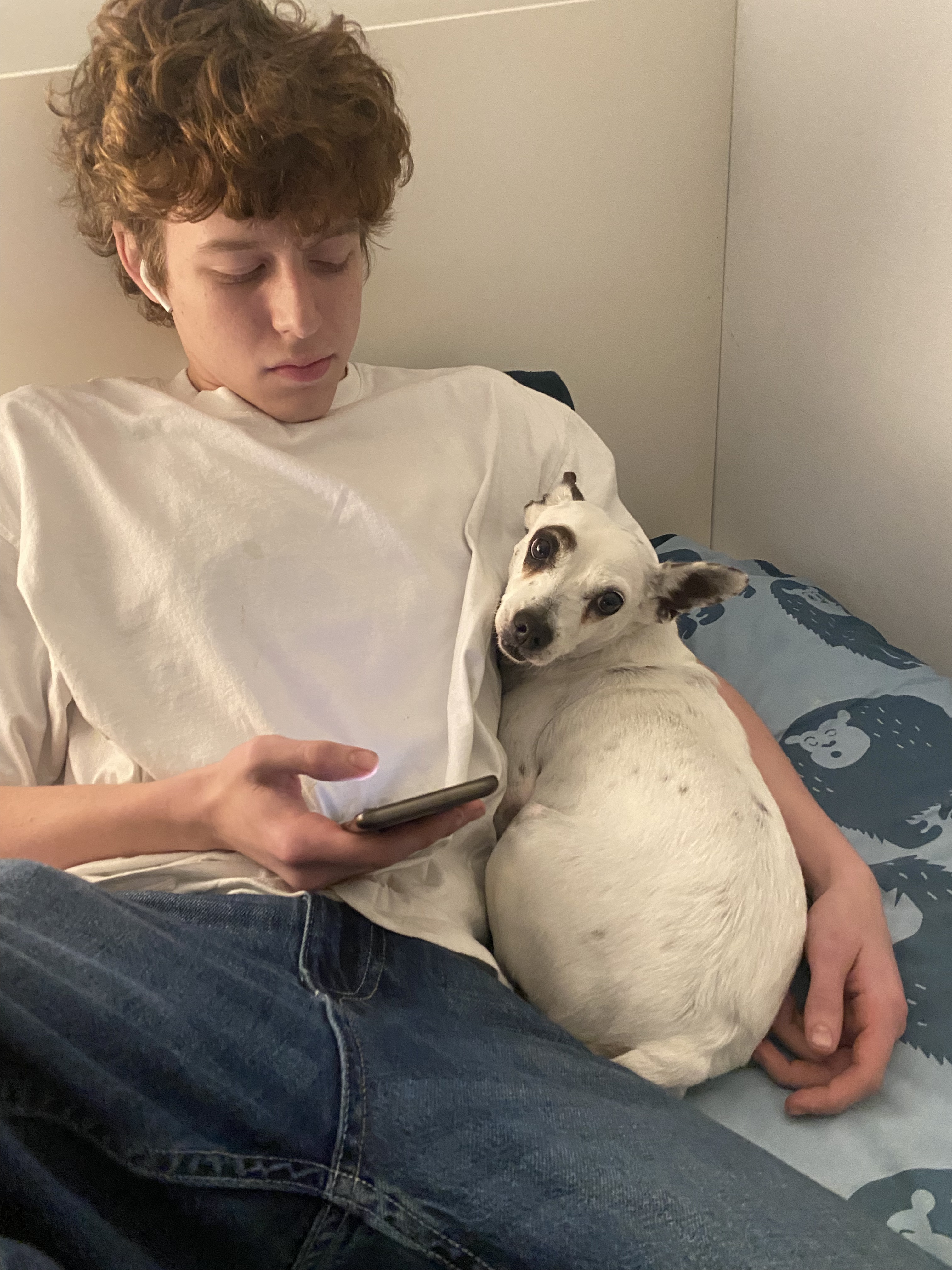
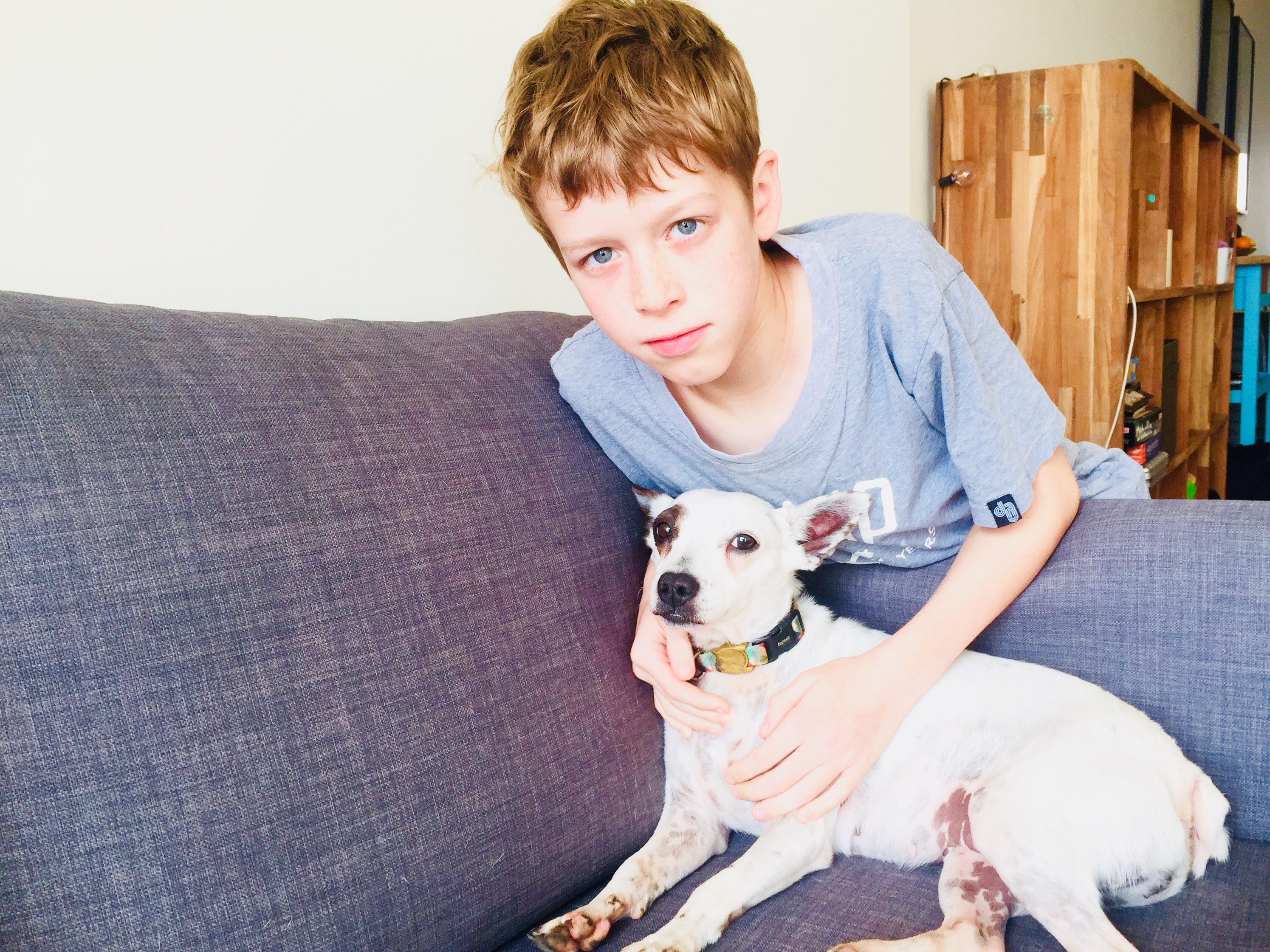
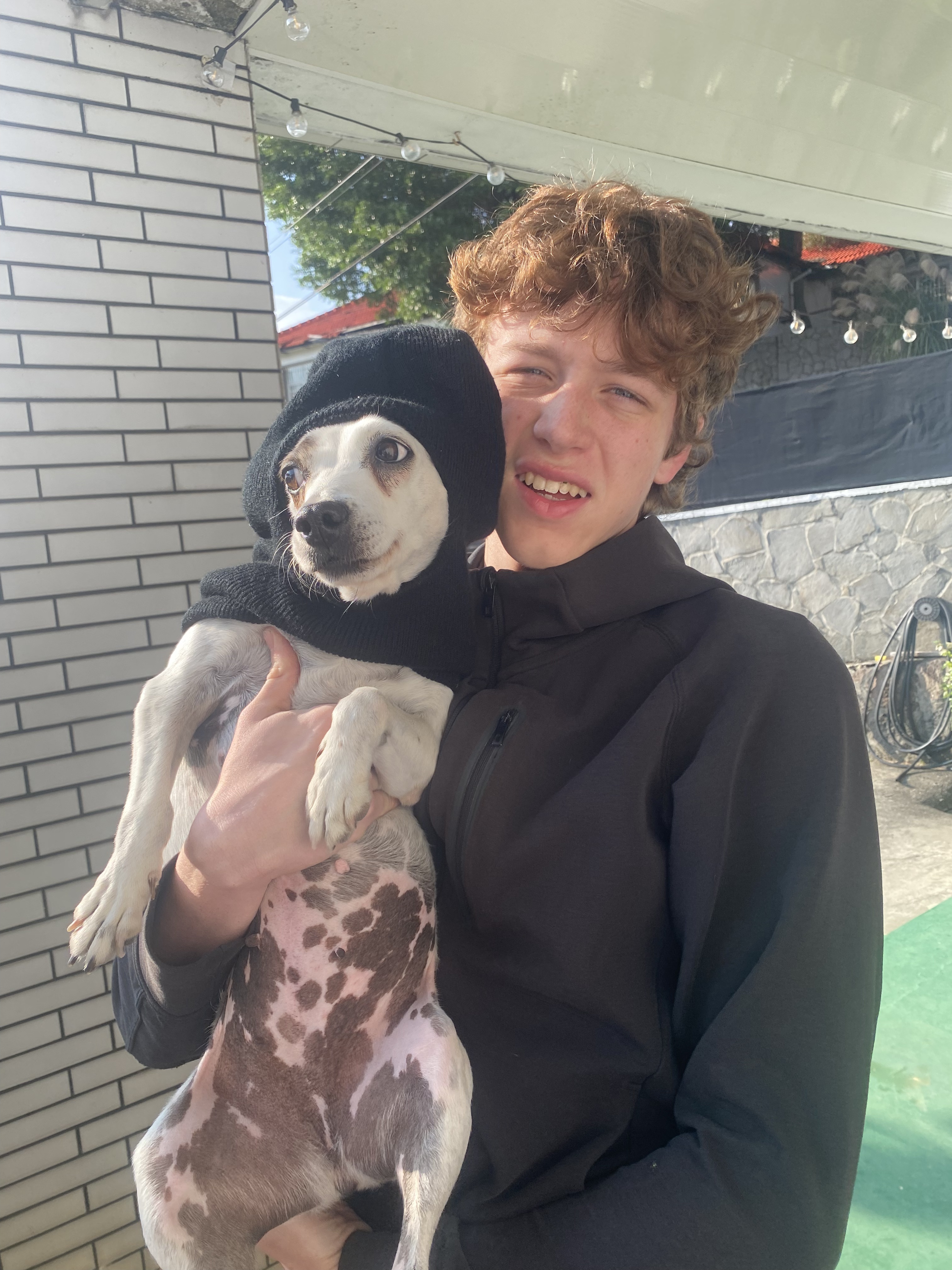
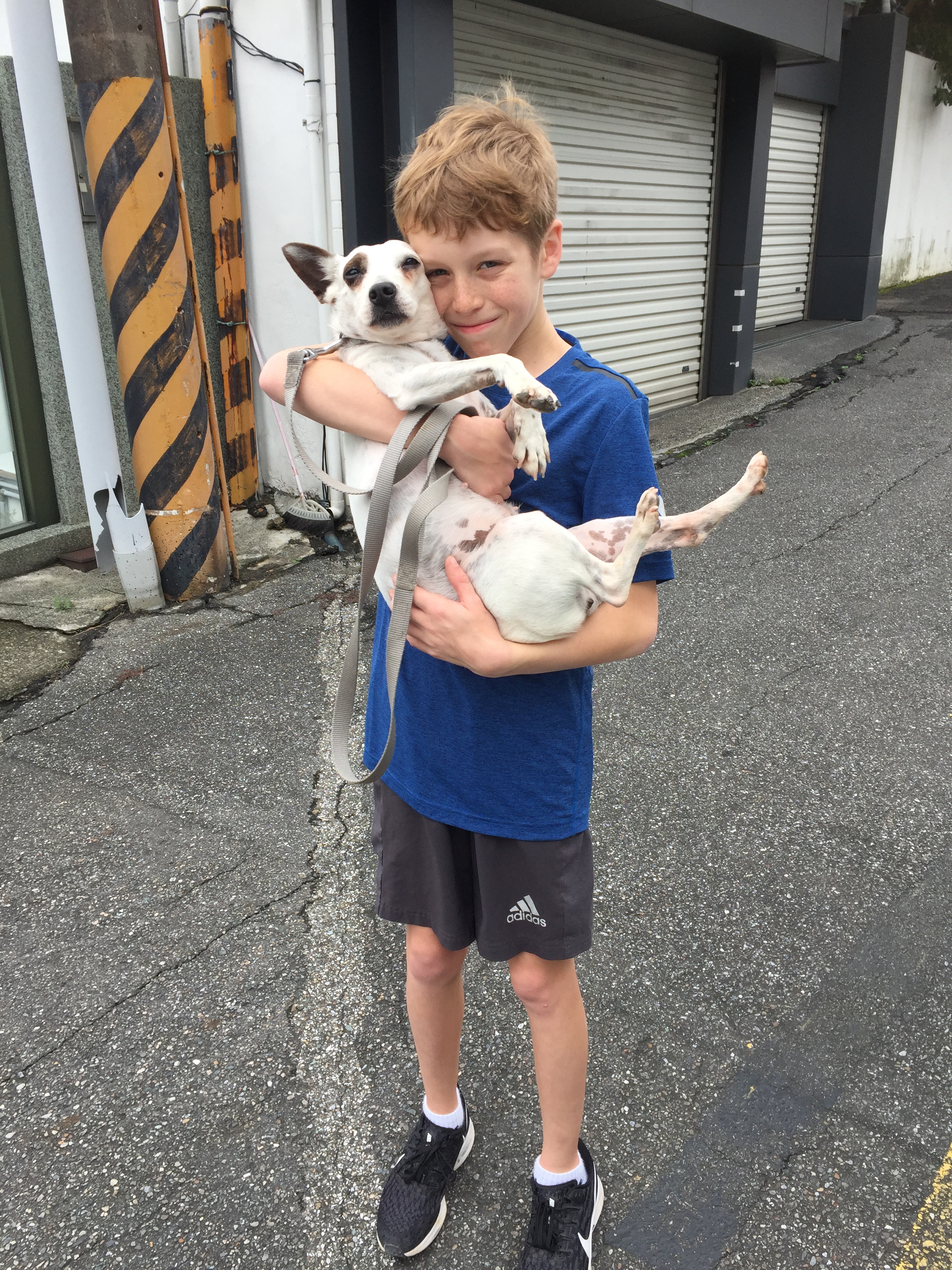
Every night at bedtime, she would trot into my son’s room, jump onto the bed, and wait for him to join her. She would snooze all night, occasionally snuffling and snoring, wrapped in his arms.

We never knew exactly how old Sydney was, but during one of her many late-life health crises, the vet estimated that she was 16. First, she developed pancreatitis, which meant she could no longer process animal fat. We had to feed her special vegan dog food that was quite expensive and available only from the vet’s office. But she was worth it.

Then she was attacked twice during our morning walks by a neighbor’s dog that had gotten off its leash. Both attacks required minor surgery, followed by the cone of shame.

Next came babesiosis, a disease caused by a microscopic parasite transmitted by an infected tick. The parasite attacks and destroys a dog’s red blood cells, causing severe anemia, pale gums, and dark urine. Treating it required a very expensive blood transfusion. Then she contracted heartworm. Although our nearby veterinarian was highly skilled, empathetic, and compassionate, Sydney’s decline was long and slow.

One night, she began gasping and panting. She kept sitting and standing, unable to get comfortable. I had a feeling that this was the end, so I lifted her onto the bed beside me and gently stroked her as she panted and shuddered. I told her how much we loved her and how grateful we were for her many years of companionship as part of our family. Whenever it seemed as though she was finally settling down, the panting and shuddering would begin again. As the end drew near, I was determined not to let her die alone.

Finally, held firmly in my arms, she breathed her last.

And then she peed all over me.

I miss Sydney every day, and I’m certain I always will. But I am proud of the life we gave her. Who could have imagined that she would go from a life of pain and suffering to sleeping safely in the arms of a teenage boy on a warm, comfortable bed?

Sydney taught me that even the deepest wounds can begin to heal with enough love, patience, and time.

Bye-bye, Miss Boo. You were the best teacher I’ll ever have.